
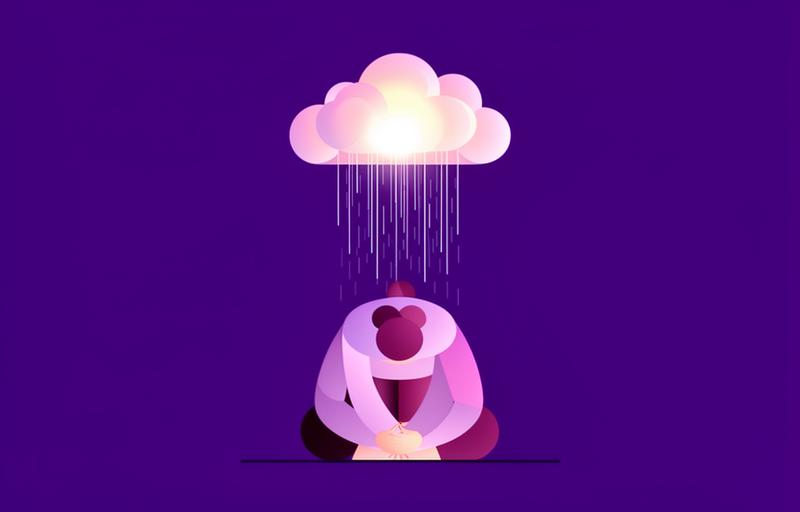
Seasonal Affective Disorder in Wisconsin: When Winter Hits Harder Than Expected
If you spend November through March wondering why you can barely function, you're not lazy. You might have SAD — and Wisconsin winters are basically a perfect storm for it.
You're Not Imagining It — Wisconsin Winters Are Brutal on Your Brain
Here's the thing nobody warns you about when you move to Wisconsin (or grow up here and just assume everyone feels this way): there's a stretch from roughly mid-November to early March where the sun sets at 4:23 PM, the sky is the color of wet concrete for 11 straight days, and you start crying in the cereal aisle for reasons you cannot fully articulate.
That's not a personality flaw. That's likely Seasonal Affective Disorder — usually shortened to SAD, which is on the nose in a way that always makes me laugh a little.
About 5% of U.S. adults experience full clinical SAD, and another 10–20% get the lighter version (often called the "winter blues"). Those numbers go *up* the farther north you live. Milwaukee sits at roughly the same latitude as Portland, Maine. We earn this.
What SAD Actually Looks Like (It's Not Just "Feeling a Little Down")
People expect depression to look like sobbing in a dark room. SAD is sneakier. It usually shows up as:
It's depression with a calendar. It tends to lift on its own by April or May — which is great, except by then you've spent five months feeling like a stranger in your own life.
Why It Hits So Hard Here
Quick biology, no jargon: your body uses sunlight to regulate two key things — serotonin (mood) and melatonin (sleep). When the days get short, both systems get confused. You make less serotonin and too much melatonin at the wrong times. Your circadian rhythm goes sideways.
In Wisconsin, we lose more than six hours of daylight between June and December. We also get an obscene amount of cloud cover — Milwaukee averages around 90 mostly-sunny days a year, compared to 200+ in places like Phoenix. Your brain is essentially running on a backup battery for four months.
What Actually Helps (Ranked by What I See Work)
1. Light therapy — the unsexy but evidence-based winner
A 10,000-lux light box, 20–30 minutes each morning within an hour of waking up. That's it. That's the protocol. Most people feel a difference within two weeks. The good ones cost $40–80. Verilux and Carex are the brands most therapists recommend.
You don't stare at it — you put it next to your coffee, your laptop, your cereal bowl, whatever. The trick is consistency. Skipping days breaks the effect.
2. Get outside in actual daylight, even when it's awful
Twenty minutes between 10 AM and 2 PM, even on a cloudy day, delivers more usable light than a fully-lit room indoors. I know — it's 14 degrees and you'd rather die. Walk to the mailbox. Walk to the end of the block. Bundle up like an idiot. It works.
3. Therapy — specifically CBT-SAD
There's a version of cognitive behavioral therapy designed specifically for SAD. It targets the thoughts ("I always fall apart in winter," "I can't do anything until spring") and the behaviors (cocooning, avoiding people, eating in bed) that make winter depression spiral. A good therapist will also help you build a *seasonal* plan instead of reinventing the wheel every November.
4. Vitamin D — get your levels checked
Wisconsinites are almost universally deficient in winter. Your primary care doctor can order a quick blood test. Most people need 2,000–4,000 IU daily through the dark months. (Don't megadose without testing — it's a fat-soluble vitamin, more isn't better.)
5. Antidepressants, when needed
For moderate-to-severe SAD, SSRIs (often started in October, stopped in spring) are genuinely life-changing for some people. This is a conversation with your prescriber, not Reddit.
6. Move your body, lower the bar
You don't need to train for a marathon. A 20-minute walk, a YouTube yoga video, dancing to one song in your kitchen — all of it counts. Exercise is one of the few things that reliably bumps serotonin without a prescription.
When to Stop Toughing It Out
If you're losing whole weeks to it, missing work, withdrawing from your kids, drinking more than you mean to, or noticing any thoughts of not wanting to be here — please talk to someone. SAD is highly treatable. You don't have to white-knuckle it until daylight saving time fixes it.
Finding a Therapist Who Gets Wisconsin Winters
Look for someone who's worked with mood and depression and lives in a four-season state — they'll already be fluent in this. You want someone who'll help you build a year-round plan, not just an "in crisis" plan.
You can [match with a Wisconsin therapist](/therapist-match) in about 60 seconds, or [browse therapists in Wisconsin](/therapists-in/wisconsin) directly.
The truth is, winter is going to keep happening. But feeling like a hollowed-out version of yourself for four months a year is not the rent you have to pay for living somewhere with great summers. There's actually a lot you can do.
Related Articles
Every Therapist Has a Waitlist in Wisconsin. Here's What to Actually Do.
You finally worked up the nerve to call, and got "we're full right now." Here's how Wisconsin therapist waitlists really work and six things that get you seen faster.
Sliding Scale Therapy in Wisconsin: How to Find Care You Can Actually Afford
Therapy costs $120–$200 a session in Wisconsin. Here's how sliding scale actually works, who offers it, and the exact words to use when you ask.
Find a Therapist in Madison: A Straightforward Guide for 2026
Madison has plenty of therapists and somehow they're all booked. Here's how to find one who fits — by neighborhood, specialty, insurance, and actual availability.
Ready to Take the Next Step?
Explore our mental health assessments and connect with qualified therapists.